EXPERIENCES
The Secrets of No. 6 James Street

Which hat style sells more than any other? Which writer famously couldn’t pay his bill, and which style does one milliner love the most?
There’s every chance you may miss No 6 as you march down St James’s Street towards The Mall and Buckingham Palace. Sandwiched between two grander buildings that dwarf this five-storey listed townhouse is the home of Lock & Co., the oldest hatmaker in the world and the oldest shop in London.
But to call it a hat shop is to truly understate the treasures that await behind its green lacquered door. Founded in 1676, the business was originally on the opposite side of the road but relocated to No 6 in 1765, and to what was considered the sunnier side of the street. Fast forward to 2026, Lock & Co.’s 350th anniversary year, and that early pursuit of perfection is still imbued in the fabric of the building and the craftsmanship that exists there today.
What’s more, it’s still working. Last year, 13,000 orders came through this tiny Mayfair shop. The Gill flat cap sold over 600 times, its French Beret over 250 times.
‘As you step inside No 6, the very first thing you’ll notice is the scent,’ says Valeria Cristiano, client relationship and events manager. ‘Think of musk, leather, tobacco and coffee, scents that have been baked into our walls for centuries. We’ve tried to bottle it, but it’s impossible to replicate. Then you’ll see the famous clock.’
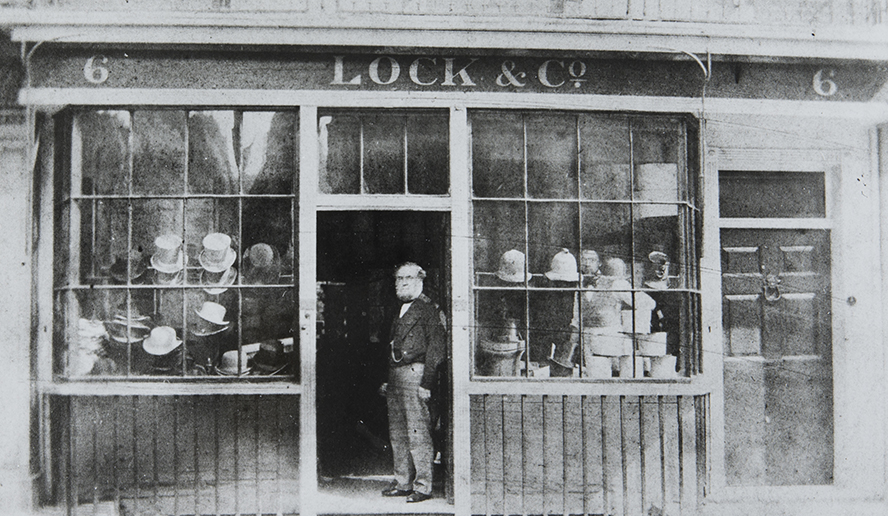
The rare antique long-case clock Valeria is referring to dates back to 1720 and hints that the building was once home to a clockmaker. It’s one of the earliest examples of its kind and still works to this day, chiming on the hour and keeping time over the milliners. The building also has a rare ‘coffin’ staircase, one of the last remaining in existence, so named for its very narrow, steep design that allowed the deceased to be moved between floors. Make your way to the basement, and you’ll see the hole left when a WWII bomb dropped on the shop in 1940 and mercifully failed to explode.
It’s the way the past presses tightly up against the future that makes Lock & Co. so special, that and its relaxed ‘no appointment necessary’ approach. Whether or not you are buying a hat, you are welcome to enter its heritage room, where you can see the ledger of hats bought by Sir Winston Churchill, including the silk top hat he wore on his wedding day in 1908. You can also read about how in 1882, Lock & Co. sold a black Fedora to Oscar Wilde. Later in life, Wilde was unable to pay his final hat bill due to his incarceration in Pentonville and Wandsworth prisons. Following an article in The Times in 2000, one of Wilde’s fans sent Lock & Co. a cheque for £3.30 to settle his account over 100 years later, which you can also see.
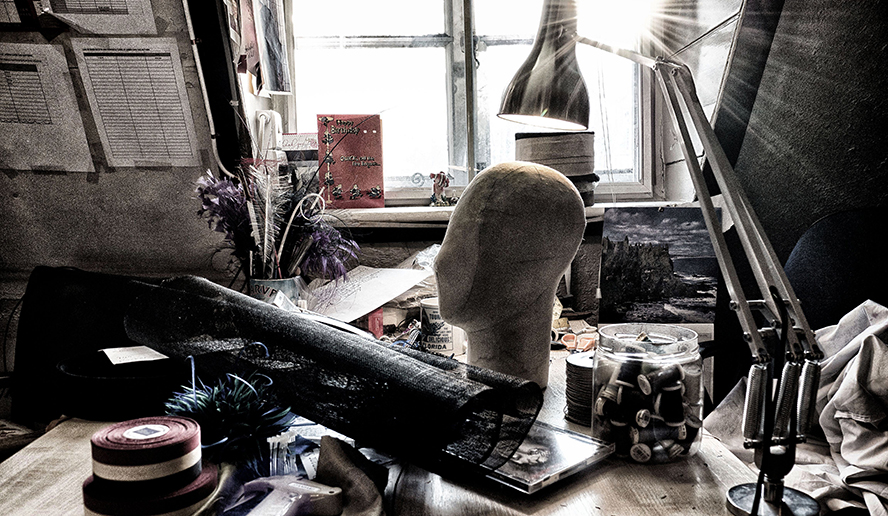
Meanwhile, three floors above, Awon Golding, Lock & Co.’s head millinery designer, is creating the latest collection of hats we’ll see worn across the British season as well as a limited-edition anniversary collection with one hat released every month of this year. Tina Graham, Millinery Manager, has worked with the business for over 20 years, and sits alongside Isabel Ager, an apprentice milliner and a recent graduate in hand embroidery from the Royal College of Needlework, sharing all the expertise that she has amassed. This is everything from how to block a hat (done using a hand-crafted block of oak wood over which the fabric is stretched, moulded and pinned); how to steam and stiffen a hat to ensure there are no ripples visible in the fabric; and the importance of wearing a thimble, ‘the milliner’s best friend’, at all times!
‘Making a beautiful hat is a physical process,’ says Isabel ‘I don’t think people realise how much strength you need to mould the fabric into shape. A new block is coated with five layers of varnish, making it incredibly hard to push pins into. You’ve got to be very strong to get them through the fabric. You then need all your strength to get the hat back off without damaging it. It’s a workout!’
In addition to absorbing all the expertise around her, Isabel made her own creative mark last year with her hand-embroidered Remembrance poppy brooches. Each took 12 hours to make and sold for £500. ‘It was exactly the nod to craftsmanship and heritage that Lock & Co. stands for,’ she says. ‘These pieces will last a lifetime.’
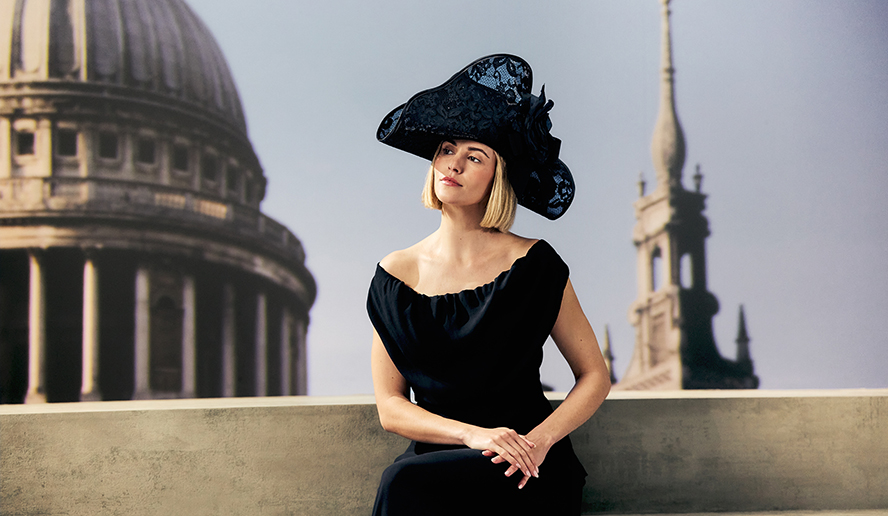
And if she could own any hat in the Lock & Co. collection, which one would it be? ‘The Belvedere,’ she says. ‘It’s what we call a felt Percher as it sits quite upright on the head, with a 3D rigid ribbon wrapped around it. It’s quite a simple shape but looks dramatic once you’re wearing it.’
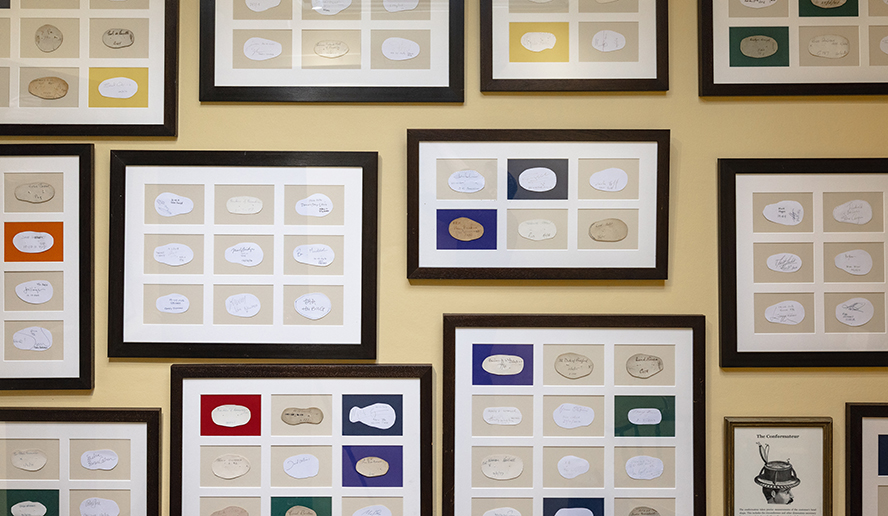
Historic hat-making techniques are preserved and celebrated. There are believed to be only twelve ‘conformateurs’ still being used around the world in hat making and three of them are at Lock & Co. This mechanical brass device dates back to 1852 and once placed on the head, allows the team to produce an exact paper replica of your head shape and size (in less than 15 minutes) and therefore a hat (typically a hard one like a Bowler or Top Hat) that fits you perfectly. Seeing this piece of fashion history might be fascinating enough, until your eyes scan the walls of the heritage room and find the paper head shapes for, among others, Queen Elizabeth II, made in 1953 to help create the fitments for her Coronation Crown. Aside from Her Majesty’s, you’ll also find those for King Charles, Princess Diana, Charlie Chaplin, Sir Gary Oldman (who famously played Winston Churchill in Darkest Hour) and several Hollywood legends.
Buy a Lock & Co. hat today, and it comes with a lifetime warranty. Find an old trilby in the attic that your grandfather once wore, and it can be repaired and reshaped to fit you perfectly. Even if your beloved hat was not bought from Lock & Co., they will still bring it back to life. ‘We’re very conscious of longevity and want to be respectful of our impact on the environment,’ adds Valeria. ‘These can be ornamental pieces with huge sentimental value as our hats are often worn across generations of the same family. You will find a cobbler on every other street corner in London, but we are the only people who look after hats in this way, and we do it for everybody.’
And today? What do customers want from a hat and its maker in 2026? ‘There’s no doubt people really want to support British heritage brands,’ says Jessica Turley, the shop’s Assistant Manager. ‘I see how visibly impressed they are when they step into the shop and realise the history they’re surrounded by. Having such a significant anniversary this year will only amplify this. Every day I see customers drawn to classic shapes like our Panama hats, but whatever your preference, we will find a hat that fits and suits you. Height and face shape are important considerations, but ultimately, it’s about what you’re drawn to. Anyone can be a hat wearer. Personally, I’d choose the classic knitted wool Chloe Beret with its chic pom pom. It’s very wearable if you’re not used to hats.’
‘We have so many hats and customers simply love our beautiful hat boxes for storage, along with owning a little slice of the history and craftsmanship we are known for.’
IMAGE CREDITS: ©Lock and Co Hatters / Adobe Stock / Azure / ©Getty Images / iStock photos / Krystian Krzewinski / Oscar Wilde (1854-1900) De Agostini
Join Our Newsletter
To get a seamless blend of UK heritage, Scottish mist, and Irish soul sent straight to your inbox.

10 of the best Game of Thrones experiences
Northern Ireland is the Home of Thrones – the perfect setting for such an epic story. In celebration of the TV series reaching its 10th anniversary in 2021, the Game...
Discover More
The Dingle Peninsula: A Magical Irish Escape
THE KINGDOM’S EDGE The Dingle Peninsula, with its weather-beaten landscape, is a wonderland for wildlife lovers, outdoor enthusiasts and those with a hearty appetite for good food and drink. Located...
Discover More