FOOD & DRINK
Harvesting the Good Life
Natalie Millar-Partridge interviews Hugh Fearnley-Whittingstall and uncovers the inspiring stories and sustainable practices behind River Cottage.
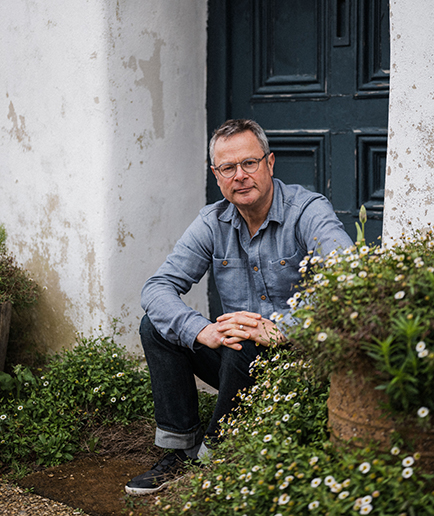
Hugh Fearnley-Whittingstall shot to fame with his sustainable venture at River Cottage in 1999, with a TV series of six half-hour episodes called Escape to River Cottage, which he thought at the time would remain just that. Fast forward 25 years, and River Cottage celebrates a quarter of a century of sustainable practices, an ode to the hard graft of a team who evidently care about what they do. When Hugh began renting the original River Cottage – a tiny lockkeeper’s cottage near Netherby in Dorset – it was meant to be a temporary bolthole from London, but the idyllic countryside got under his skin, and before long, he felt inspired to leave the city behind to seek out a more self-sufficient and sustainable way of life in the West Country.
The River Cottage story grew thereon to become a fully organic farm certified by the Soil Association, and is home to pigs, sheep and laying hens, alongside a frequent local breed of cattle, Devon Ruby Reds. The site is also home to the River Cottage Cookery School, which has since grown into a year-round hub for courses, events and dining experiences.
Following Hugh’s holistic ethos of respecting the environment, much of the produce comes from the 100-acre site, with the same ideals guiding him since his journey in the countryside began.
©Matt Austin Photography
Hugh and his team are pioneers of sustainably driven developments across the county, with River Cottage at the heart of sustainability. Hugh is a trailblazer of the field-to-fork scene, which has since become a growing trend across the UK.
The farm itself sits in the middle of approximately 100 acres of a hidden valley within the East Devon Area of Outstanding Natural Beauty on the Devon and Dorset border, with the Jurassic Coast and the fishing towns of Lyme Regis, Beer, Branscombe and Charmouth on the doorstep.
From the doorstep, there’s a chance to explore the organic farmland or walk the coast path to the highest point on the south coast – The Golden Cap – for a truly stunning setting. River Cottage sits just three miles from Lyme Regis, a brilliant spot for fishing and exploring the famous beaches for fossils ranging from 70 to 200 million years old.
Having previously been used as the set for Hugh’s River Cottage series, the entire farmhouse was renovated to provide guest accommodation. Split into two parts, the original section of the Dorset Long House boasts three bedrooms, and the Gardener’s cottage is a self-contained section that has two further bedrooms.
©Matt Austin Photography
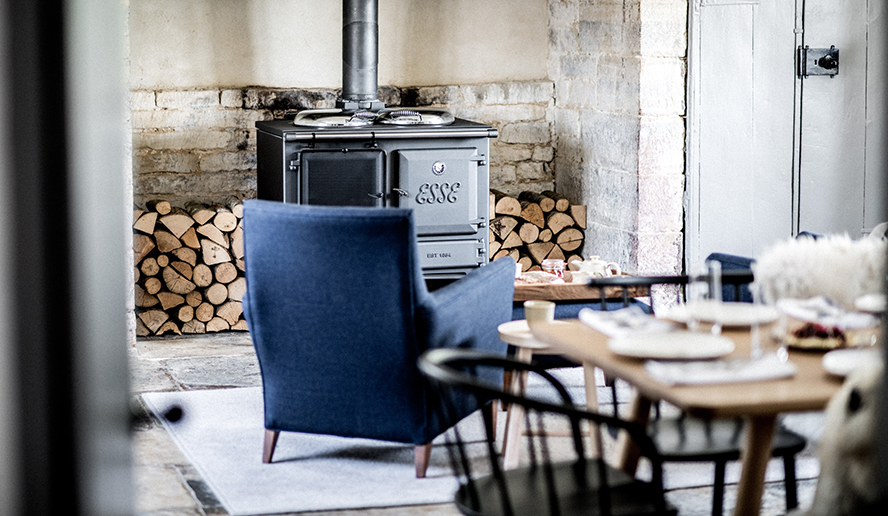
Dating back to the 17th century, it’s a delightful spot to immerse yourself in nature. A traditional West Country longhouse, it has been sympathetically refurbished, respecting the interiors with crafted fixtures and fittings from British manufacturers. True to the River Cottage ethos, it is rooted in sustainability and influenced by the rural surrounds. Over 400 years old, the farmhouse’s historic fabric remains, with interiors revamped into a simple, stylish living space using VOC-free paints and services. Guests can enjoy local, custom-made products and upholstered furnishings fused with original features, including elm floorboards, Blue Lias stone floors, exposed beams, stable doors, and large fireplaces, set against a contemporary palette of greys and neutrals. There’s painted wood cladding, timber and flagstone floors, and sheepskin throws – think modern functionality in a centuries-old space with a minimal, pre-loved aesthetic.
Also on site is the new Planted Cabin, a beautifully designed off-grid space that brings the outside in, embodying Hugh’s ethos. Sustainably designed with a cold water shower and surrounded by nature, it’s the perfect little off-grid space to sleep under the stars and immerse yourself in a River Cottage experience the following day.
Whether it’s completely off-grid or just a chance to slow down, listen to the stillness and take some learning back into daily life. The Gardener’s Cottage, The Farmhouse and Planted Cabin provide tranquil settings for a restorative escape.
On arrival, one of the friendly and knowledgeable team will transport you down the winding track to the farmhouse – a treat in itself with staggering views across the valley opening up in front of you.
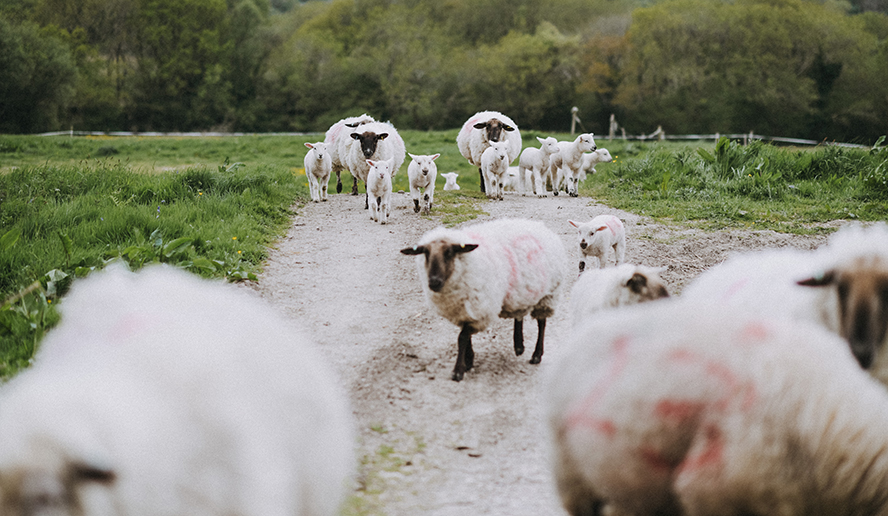
On site, there’s the opportunity to wander freely, discover the walled vegetable and herb garden, polytunnels, free-range chickens, sheep, cows and pigs – all of which are raised to the highest standards.
When the farm was purchased in 2005, the number one priority was to find a hidden valley. The team looked at over 20 farms and settled on Park Farm for the one single reason – its location, ensconced, a kilometre down a farm track.
“We effectively don’t have any neighbours, and that’s what we have lived on ever since,” enthuses Stewart Dodd, Chief Executive at River Cottage HQ.
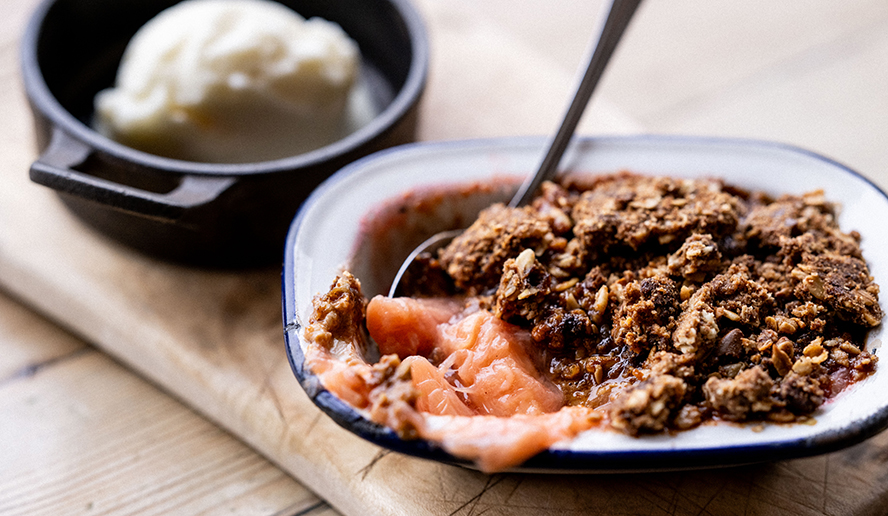
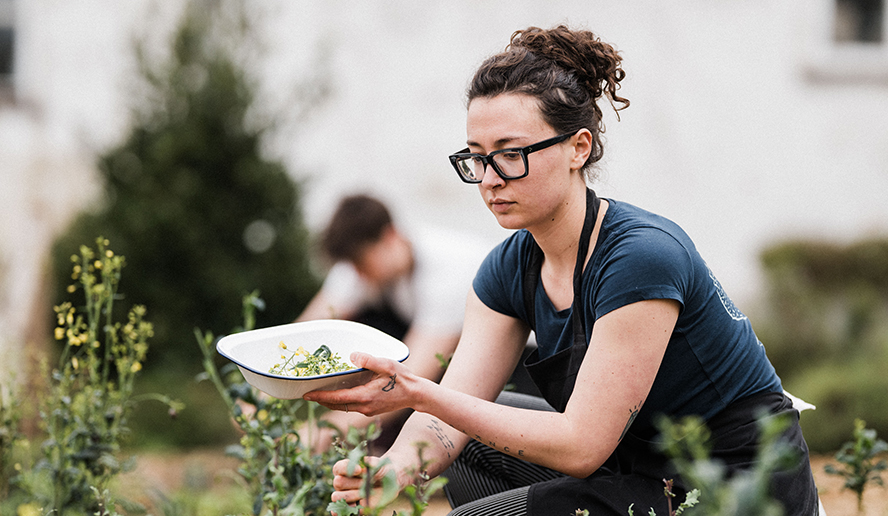
The River Cottage ethos begins with food, adopting the SLOW principles of eating – seasonal, local, organic and wild – where all of the food is either produced on the farm, supplied by neighbouring growers, caught by local fishermen or foraged around the farm.
©Matt Austin Photography
“These principles are then adopted by the entire team to ensure guests have a totally immersive experience in nature; whatever the weather, we have everyone picking produce in the gardens, foraging in the fields or engaging with the animals that will at one point end up on the plate,” says Stewart.
It’s a wholly immersive experience where you are at one with the food you eat, paired with a glass of natural wine or a River Cottage beer or cider, in a beautiful, cosseting countryside setting. For the urbanite, it’s a time to change gear and embrace a slower pace of life. Perfect for foodies and nature lovers, Dream Escape can arrange a completely tailored experience. The farm hosts a series of chef’s tables and feast nights in a wholesome setting – simply walk across the courtyard for your culinary event or workshop held at the Cookery School.
Guests at River Cottage can wander the entire site, visit the animals – and, if timed right, meet the new piglets – take in the apiaries, of which there are three with various types of beehives, and orchards with over 100 apple, soft fruit, and nut trees. There are also growing tunnels with ample varieties of tomatoes and herbs, and a propagation tunnel where the team create their own seedlings before planting them either in the growing tunnels or in the various gardens.
Plans are in place for a series of new accommodation offerings, including a small and beautifully designed building in the courtyard that will offer a further 11 rooms for guests to stay, alongside a series of around nine off-grid cabins spread across the 100 acres – some with hot tubs, saunas and access to wild swimming.
Visiting the HQ, surrounded by the abundant Devon countryside, will simply be an incredibly wholesome environment where nature thrives, sure to inspire locals and visitors alike to create and enjoy healthier dishes using more diverse, locally grown ingredients.
Celebrating the seasons over 25 years
Rewind 25 years to when Hugh made the first ever TV series of Escape to River Cottage and he had absolutely no notion that it would be anything other than six half-hour shows about downsizing to the country. Dream Escape chats to him about his original vision for River Cottage and how it has evolved.
“It might have only ever been those six shows, but somehow we got a second series, and then a third, followed by a book, and then I had the idea that River Cottage could also be a place for people to visit, feast and learn how to grow food and forage, make artisan foods, and do all the fun stuff that I’d been doing in the shows,” Hugh says.
Once Hugh and the team had created River Cottage HQ, he realised they had a big responsibility to look after the land, guests and wider team who made everything possible.
“I believe we have a fantastic team who work together to give our guests something very special that they won’t find anywhere else,” enthuses Hugh.
River Cottage has grown and diversified over the years, with the latest development being the creation of the restaurant, River Cottage Kitchen & Store, in what was once the team’s office building. “We’ve grown slowly and organically, and I think that’s been very healthy for us. We made changes to Kitchen & Store after the pandemic and haven’t looked back – the new location offers the most amazing views over the countryside. It’s very special that we now have a place that’s open every day, where anyone can drop in and get a taste of what we do.”
With an ethos of ‘food to inspire change’, Hugh and his team aim to help their guests have a more intimate and fulfilling connection with the food they eat.
©Matt Austin Photography
“We aim to bring pleasure and goodness to our guests’ lives every day, which means different things to different people. Some want to learn how to grow veg, others to make amazing charcuterie and cheese or bake beautiful sourdough bread. And right now, lots of people want to understand and explore the pleasures and benefits of fermented foods. Luckily, we have our brilliant fermentation guru Rachel de Thample to teach this fascinating and rewarding skill. Personally, I love teaching the veg day on our four-day cookery course, helping people realise just what amazing tastes and fantastic dishes can be put together from plants.”
When Hugh and the team purchased Park Farm in 2006 and began to create River Cottage HQ, they realised they had found an incredible place, though they didn’t quite foresee it becoming the celebrated venture it is today.
“It’s taken almost 20 years of gentle, organic development to make it what it is today, and I’m pleased to say there are more exciting plans to come. We’d like to offer more accommodation on site, while keeping true to the spirit of sustainable development, so we can showcase the most environmentally friendly approach to hospitality in all that we do.”
Hugh’s latest book, How to Eat 30 Plants a Week, has been a huge success, and for anyone who may struggle with this concept, he offers plenty of tips for incorporating those 30 plants into your diet.
“Start by reminding yourself of all the delicious plant foods you already know and enjoy, even if they have fallen off your radar. It’s not just about fresh seasonal veg and fruit, brilliant though these ingredients are – healthy store cupboard ingredients like pulses, nuts, seeds and spices all have a great role to play, and we need to start reaching for them more often.”
A chat with Hugh wouldn’t be complete without learning what his desert-island vegetables would be if he could choose just three. “Just three ingredients can really make a dish sing – for example, onions, tomatoes and green beans balance out really well; the intense sweet savoury allium kick of onions, the amazing aromatic, sweet, fresh juiciness of tomatoes, and the wholesome crunch of the green beans. And I could let some of the beans grow on and harvest them for podding, so I’d have my cannellini beans too. Plus they’d all go really well with the fish I hope I’d be catching!”
©Matt Austin Photography
Feast nights at River Cottage
Three different feast-style offerings are available, ranging from a hearty weekend lunch to the Long Table Feast, which features a six-course menu. For the real gourmands, there’s an all-inclusive Chef’s Table for a small group of guests, where River Cottage chefs cook with them throughout the evening – perfect for anyone looking for a fully immersive event.
During feast nights, guests not only have the chance to enjoy food that is organically grown on site, but also to learn about the origins and flavours, with the kitchen open to diners’ questions whilst watching the chefs at work. Dining experiences are held in the barn, showcasing the freshest seasonal ingredients and incorporating the latest recipes, as well as River Cottage favourites.
For an unforgettable experience at River Cottage, Dream Escape can arrange an exclusive four-course feast with Hugh, celebrating the very best of seasonal produce.
The wholesome feast allows guests to enjoy quality time with one of the UK’s most influential chefs and broadcasters, including welcome drinks and canapés in the garden. Take the opportunity to get books signed and have photographs taken with the River Cottage founder. Back in the barn, Hugh will share his philosophy of food, thoughts on the season, and the latest news from River Cottage, followed by a chance to ask questions.
One of the best celebrity chef dining experiences in the UK, it’s a truly special evening, where guests can delight in a little one-on-one time with Hugh over an unforgettable meal created by him and the team.
A Taste of River Cottage with Hugh
If you prefer to get stuck in and learn new techniques and cooking practices from a foodie guru, there’s also the unique opportunity to book a place on a classic cookery course, ‘A Taste of River Cottage with Hugh’.
Hugh curated this exciting one-day course, including supper, to give just ten guests a memorable River Cottage experience. Spend time both cooking and chatting with Hugh in the Kitchen Garden and the Cookery School. It’s a brilliantly insightful day of cooking alongside one of the nation’s most celebrated chefs, creating a delicious feast to enjoy at the end of the day. Enjoy chatting to Hugh throughout the day and learn about the River Cottage philosophy and the 25-year journey that has led him to where he is today. There’s also a chance to walk with Hugh in the garden and on the surrounding farm, foraging for homegrown and wild ingredients to use in your veg-based cooking session.
This is a wonderful opportunity to bring some of the learning back into daily life and enjoy a fabulous feast based on the dishes you have made. Delight in Hugh’s knowledge over drinks, take pictures, and tuck into a unique, personal menu created together.
Cooking with Hugh offers guests an unbeatable experience, with a deep dive into the River Cottage ethos of cooking and eating, which is all about food that inspires change.
Sustainability across the site
The sustainability journey began with building the HQ, using local materials and sustainable building techniques to create the farm. In designing the courtyard of buildings, the team embarked on their journey, ensuring their fuel sources were as ecological as possible and becoming early adopters of renewable technologies – biomass heats the water, a wind turbine provides some of the electricity, and minimal gas is used for cooking. This is LPG rather than natural gas, with water and waste systems that are completely off-grid. Much of the food waste is composted, and any electricity bought is provided by Octopus Energy and comes from 100% renewable sources.
IMAGE CREDITS : River Cottage ©Matt Austin Photography maustinpics@gmail.com
Join Our Newsletter
To get a seamless blend of UK heritage, Scottish mist, and Irish soul sent straight to your inbox.
Meet the Perfumery Director: Edward Bodenham
The fascinating history of J Floris Ltd, the oldest retailer of fragrance in England, is as compelling as its high-quality scents. Dream Escape speaks exclusively to perfumery director Edward Bodenham,...
Discover More
Scotland – Idyllic Islands
Shrouded in legend and mystery, the Orkneys and the Outer and Inner Hebrides are remarkable parts of Scotland, with breathtaking landscapes and a rich abundance of history. Home to UNESCO...
Discover More